Importing alpaca toys from Peru into the US
Alpaca stuffed animals from Peru enter the United States under HTS heading 9503.00.00, where the general rate of duty is free. To sell them as toys for children, you need ASTM F963 test results from a CPSC-accepted laboratory, a Children's Product Certificate and a tracking label on every piece.
This guide covers the tariff number, extra tariffs, US customs and the safety papers, and how a wholesale order from Tubi goes through each step.
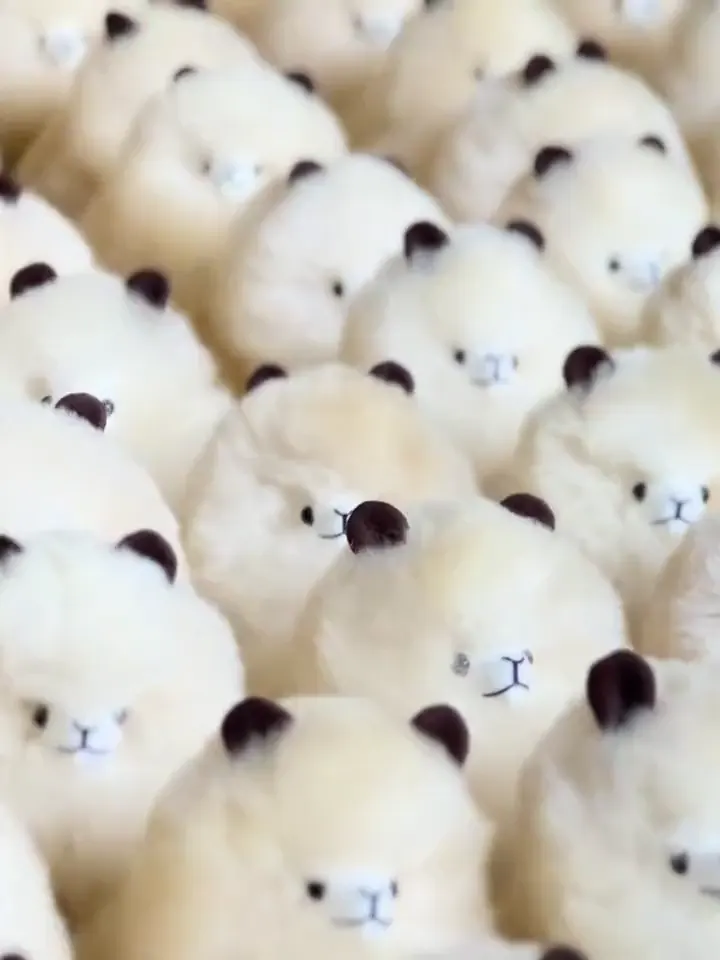
What is the HTS code and duty for alpaca stuffed animals from Peru?
Alpaca stuffed animals imported from Peru are classified under HTS heading 9503.00.00 (dolls and other toys), and the general rate of duty on that heading is free. The tariff schedule adds a statistical suffix for the age group: 9503.00.0073 for children's products for ages 3 to 12, and 9503.00.0071 for children's products for children under 3.
| Alpaca toy for | HTS number | General duty |
|---|---|---|
| Children aged 3 to 12 | 9503.00.0073 | Free |
| Children under 3 | 9503.00.0071 | Free |
The suffix follows the age grade on the label Tubi puts on each alpaca, so the entry, the certificate and the packaging agree. Your customs broker confirms the final classification when the goods are entered.
Are there extra US tariffs on alpaca toys imported from Peru?
Extra US tariffs on goods from Peru can apply on top of the free base rate, and they have changed several times since 2025, so the total import cost of alpaca toys can differ from one month to the next.
Before you order, ask your customs broker for the rate that applies on the day your goods will enter the United States, and ask again before each shipment. Your broker can also tell you which other fees, such as processing fees, apply to the entry.
For a full landed cost, ask your broker to add up the duty, any extra tariff, the customs processing fees and the broker's own fee, on top of the freight. With that figure in hand before you confirm the quotation, you know the real cost of each alpaca toy on your shelf.
The guide to importing alpaca toys from Peru covers the steps that stay the same whatever the tariffs are: the quotation, payment, documents and freight.
Does the US-Peru Trade Promotion Agreement apply to alpaca toys?
The United States-Peru Trade Promotion Agreement, which took effect on 1 February 2009, covers alpaca toys made in Peru, but it brings no saving on the base duty, because heading 9503.00.00 is already free for every country.
When your broker does file a claim under the agreement, it is made by putting "PE" in front of the HTS number on the entry summary. The claim can rest on a certification from the importer, the exporter or the producer, in no fixed format, or on the importer's own knowledge of where the goods were made. The supporting records are kept for five years, in case CBP asks for them.
Every order from Tubi comes with a certificate of origin showing the toys were made by hand in Peru, so the origin of the goods is documented whichever way your broker files the entry.
What does US customs ask when you import alpaca toys from Peru?
US customs asks every buyer who imports alpaca toys from Peru for an importer of record, a customs bond for formal entries, the right entry papers and, for ocean freight, an Importer Security Filing. Whether you order one box or a pallet, these six points come up with each shipment.
- An importer of record. The company that enters the goods, pays any duty and answers to CBP. Most buyers have a licensed customs broker file the entry on their behalf.
- A customs bond. A shipment worth more than $2,500 needs a formal entry, and a formal entry is covered by a customs bond: a single entry bond for one shipment, or a continuous bond if you import regularly.
- No de minimis. Duty free entry under the $800 de minimis rule stopped for every country on 29 August 2025; a CBP rule of 24 June 2026 made that indefinite, and the law repeals the exemption from 1 July 2027. A sample box is entered like a large order.
- The entry papers. The broker files the commercial invoice, the packing list and the bill of lading or air waybill, gives an HTS number for each item, and adds the electronic toy certificate data described below.
- An Importer Security Filing, by sea only. The ISF, also called 10+2, applies to cargo arriving by vessel and is due at least 24 hours before the boxes are loaded at the port in Peru. Air freight and courier shipments do not need one.
- Origin marking. Every imported article must show its country of origin in English, legibly and permanently, so each alpaca toy is marked Peru.
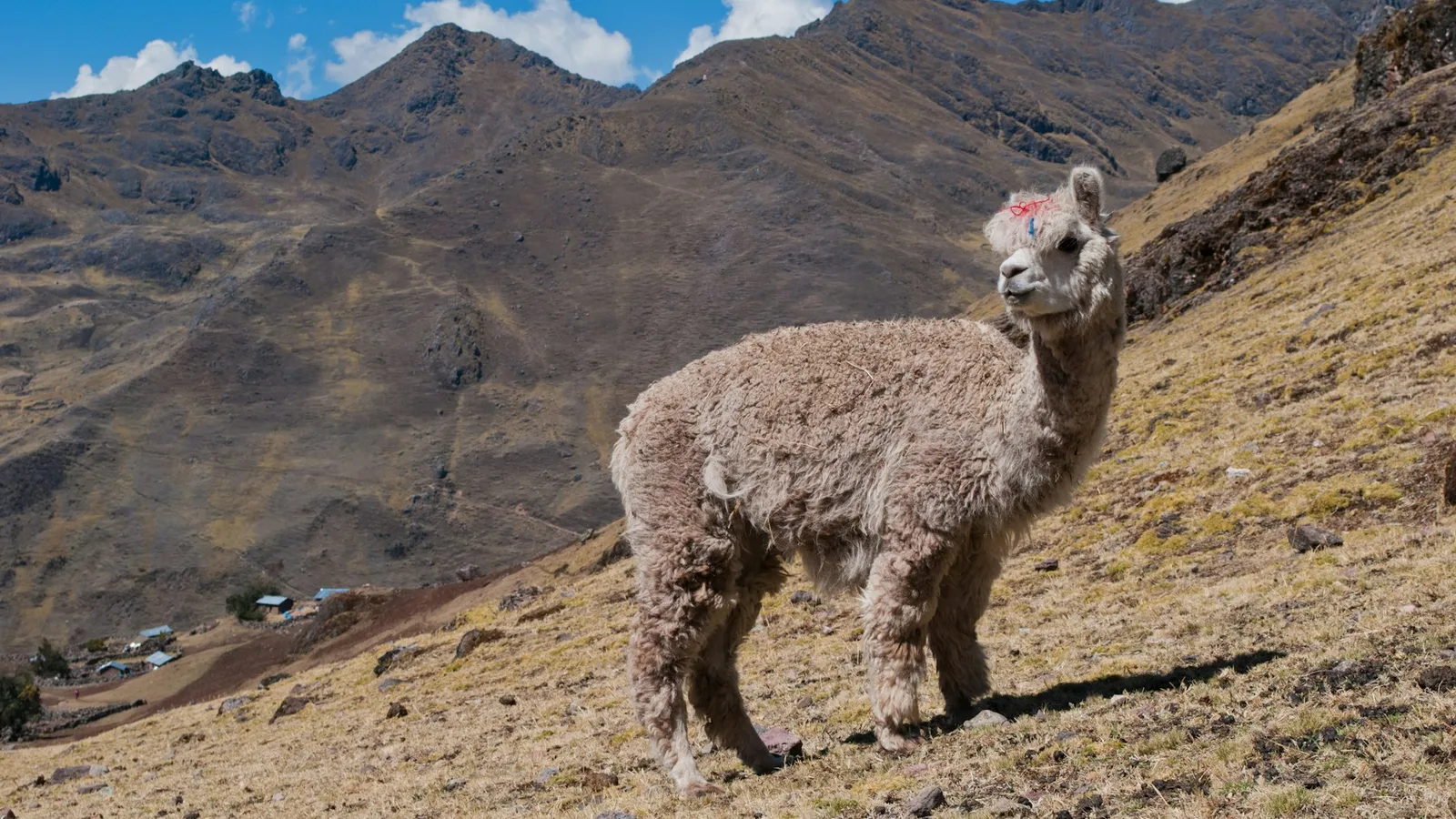
What does the CPSIA require for alpaca stuffed animals?
Under the CPSIA, an alpaca stuffed animal sold for children 12 and under must pass ASTM F963 at a CPSC-accepted laboratory, be covered by a Children's Product Certificate and carry a tracking label, and it must stay within the federal limits for lead and phthalates. ASTM F963-23 is the edition made mandatory by 16 CFR part 1250 for toys manufactured from 20 April 2024; for a plush toy it tests the strength of seams, eyes and noses, small parts and flammability.
- Third-party testing. The tests are done by an independent laboratory on the CPSC's list of accepted labs for that standard.
- Children's Product Certificate. A written certificate in English, based on those test results, naming the product, each rule it meets, where and when it was made, when and where it was tested, and the laboratory. Since 8 July 2026 the certificate data is filed electronically with CBP when the goods are entered.
- Tracking label. A permanent mark on the toy and on its packaging with the manufacturer or importer, the place and date of production and a batch number, so a toy can be traced back to its production run.
- Lead. No more than 100 ppm in any accessible part, and paint or other surface coatings below 0.009 percent, which is 90 ppm.
- Phthalates. Eight phthalates, among them DEHP, DBP and DINP, are limited to 0.1 percent in accessible plasticized parts of children's toys, such as plastic eyes or a plastic nose.
The age grade matters as much as the tests. A toy meant for children under 3 may not have any part that fits in the small parts cylinder of 16 CFR part 1501, so eyes, noses and seams are judged more strictly. Every Tubi alpaca passes these tests, and Tubi puts the age label on each alpaca itself, so the report, the certificate and the label on the shelf say the same thing. How each test works is explained in are alpaca stuffed animals safe and on our compliance page.
How do you import alpaca toys wholesale from Tubi into the US?
To import alpaca toys wholesale from Tubi into the US, you place your order naming the United States as your market, ask for the CPSIA certificate and ASTM F963 results if you want to see them, and choose DAP delivery to your door or ex works collection by your own forwarder. Tubi already ships to buyers in the United States.
- Quotation. Name the US as your market on the order form. Within 24 hours you receive the price, the ready date, the freight options and the HS code for your broker.
- Safety papers. Every alpaca is tested to ASTM F963-23 and passes. The test results and the CPSIA Children's Product Certificate can always be shown, and sent on request to confirm.
- Labels. Every piece carries the age label and the tracking label the CPSIA asks for before it leaves the workshop.
- Export documents. The commercial invoice, the packing list box by box with weights, and a certificate of origin showing the toys were made in Peru.
- Freight. DAP, delivered at place: the boxes travel to your address, and import clearance and any duty are handled at your end. Or ex works: your own forwarder collects at the workshop and, for sea freight, files the ISF.
Payment is 50% to start, 50% before shipping. The order is ready in 2 to 8 weeks, and a first order starts at $350.00, mixed across the whole collection. Volume prices and terms are in the wholesale buyer's guide, on how ordering works and on our page for importers.
Questions
What is the HTS code for alpaca stuffed animals imported into the US?
Alpaca stuffed animals are classified under HTS heading 9503.00.00, which has a general duty rate of free. For children's products the suffix follows the age group: 9503.00.0073 for ages 3 to 12 and 9503.00.0071 for under 3.
Do I pay import duty on alpaca toys from Peru?
The general duty on alpaca toys under heading 9503.00.00 is free, but extra US tariffs can apply on top of it and have changed several times since 2025. Confirm the current rate with your customs broker before you order.
Can a small sample order of alpaca toys enter the US duty free?
No. Since 29 August 2025 no country can use the $800 de minimis rule, so each shipment, however small, is entered and pays whatever duty applies.
Can I see the CPSIA certificate and test results for the alpaca toys before I order?
Yes. Every Tubi alpaca is tested to ASTM F963-23 and passes, and the results and the Children's Product Certificate are sent on request with your quotation, so your broker can check them before production starts.
Do I need an Importer Security Filing for alpaca toys sent by air?
No. The ISF applies only to cargo arriving by vessel. For a shipment by sea it must be filed at least 24 hours before the goods are loaded abroad.
Do I need a customs bond to import alpaca toys into the US?
Yes, you need a customs bond for a formal entry, which is required for shipments worth more than $2,500. Your broker can arrange a single entry bond or a continuous bond for regular imports.
Which edition of ASTM F963 applies to alpaca stuffed animals sold in the US?
ASTM F963-23 applies, mandatory under 16 CFR part 1250 for toys manufactured from 20 April 2024. Testing by a CPSC-accepted third-party laboratory is required for toys meant for children 12 and under.
What does DAP delivery mean for a US order of alpaca toys?
DAP, delivered at place, means the boxes are delivered to your address and the import clearance and any duty are handled at your end. Ex works is the alternative, when your own forwarder collects the order at the workshop in Peru.
Keep reading
Sources
- USITC: Harmonized Tariff Schedule, heading 9503.00.00 and its statistical suffixes read 22 October 2026
- CBP: Peru Trade Promotion Agreement read 22 October 2026
- eCFR: 19 CFR Part 10 Subpart Q, United States-Peru Trade Promotion Agreement read 22 October 2026
- Federal Register, 90 FR 37775: Suspending duty-free de minimis treatment for all countries read 22 October 2026
- Federal Register, 91 FR 37789: CBP, indefinite suspension of the de minimis exemption, 24 June 2026 read 22 October 2026
- CBP: Filing a formal entry (goods valued at $2,500 or more) read 22 October 2026
- CBP: Importer Security Filing 10+2 read 22 October 2026
- eCFR: 19 CFR 149.2, Importer Security Filing timing read 22 October 2026
- eCFR: 19 CFR Part 134, Country of origin marking read 22 October 2026
- Federal Register, 89 FR 3344: Safety standard mandating ASTM F963 for toys read 22 October 2026
- CPSC: Toy safety business guidance read 22 October 2026
- CPSC: Children's Product Certificate read 22 October 2026
- CPSC: Certificates of compliance and eFiling read 22 October 2026
- CPSC: Tracking labels, frequently asked questions read 22 October 2026
- CPSC: Total lead content read 22 October 2026
- CPSC: Lead in paint read 22 October 2026
- CPSC: Phthalates business guidance read 22 October 2026
- eCFR: 16 CFR Part 1501, small parts for children under 3 read 22 October 2026
- ICC: Incoterms 2020 read 22 October 2026
Rules and duties change. Check the current rate for your country with your customs broker before you order.