Are alpaca stuffed animals safe and hypoallergenic?
Yes, Tubi alpaca fur stuffed animals are safe and compliant for international markets: every alpaca is tested by an independent accredited laboratory for mechanical safety, flammability and metals, under the EN 71 and ASTM F963 standards, and passes. Alpaca fur is also called hypoallergenic, because it has no lanolin.
Written for shops and importers: what each test checks, what hypoallergenic means, age labels, cleaning, and the papers to keep on file.
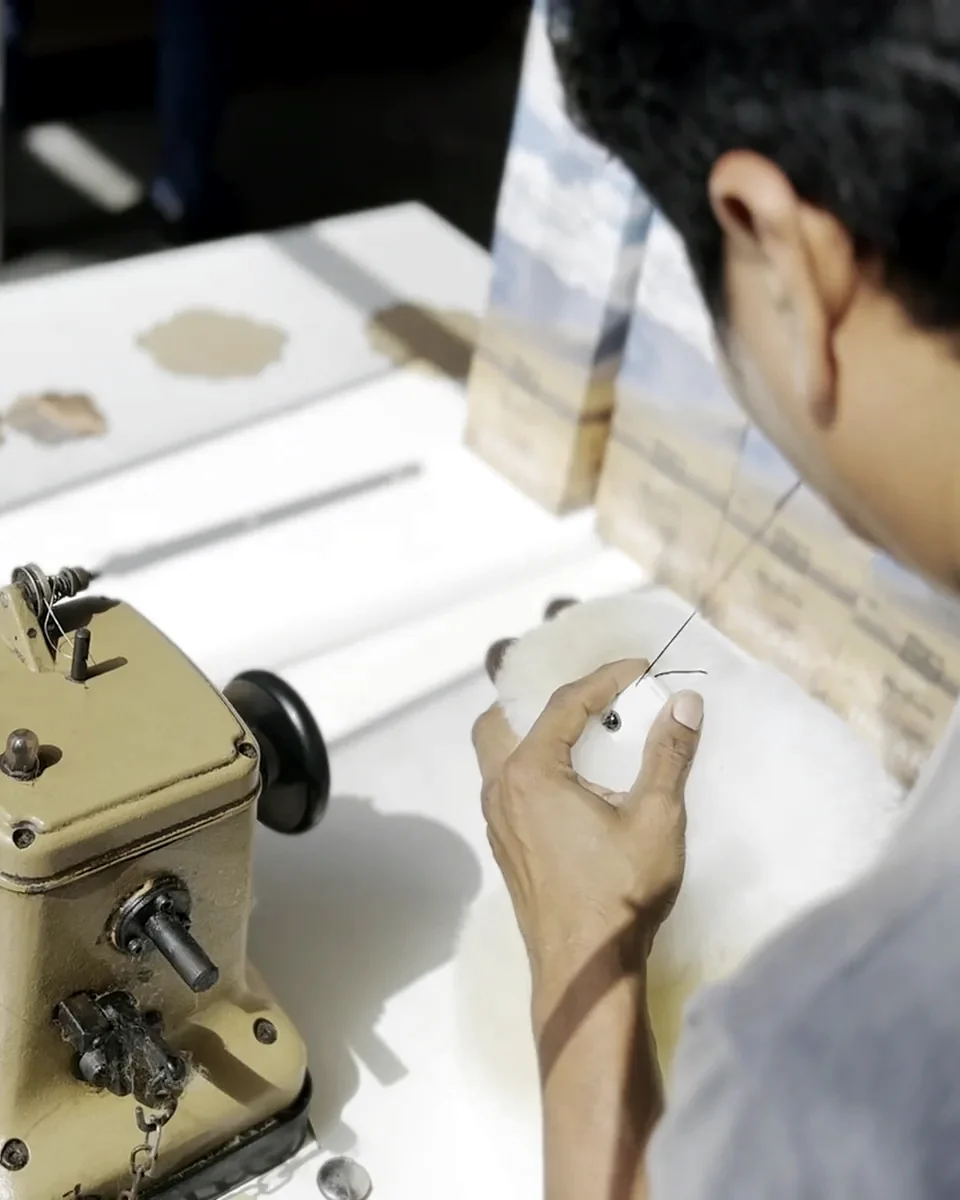
What makes an alpaca stuffed animal safe?
An alpaca stuffed animal is safe when the whole finished toy passes the toy safety standards of its market: fur, stuffing, stitched face, eyes, nose and seams are tested as one piece, because that is how a child handles them. In the European Union the rules are set by the Toy Safety Directive 2009/48/EC, and the EN 71 standards are the agreed way to show that a toy meets them. The United States makes ASTM F963 law through the CPSIA.
- EN 71-1, mechanical and physical properties. A laboratory applies a set pull and a set twist to each eye, the nose and the seams, then checks that no small part has come free and that the toy has no sharp points or edges.
- EN 71-2, flammability. It measures how quickly a flame travels across the surface of the toy, so that a soft toy cannot catch fire and burn fast in a child's hands.
- EN 71-3, migration of certain elements. It sets limits for heavy elements such as lead, cadmium and chromium VI that could pass from the material to a child who sucks or chews the toy. The directive restricts 19 of these elements.
- REACH is the EU regulation on chemicals. For an alpaca fur toy it limits restricted substances that could remain in the fur after tanning and colouring.
- ASTM F963 and the CPSIA are the US side. Toys for children aged 12 and under are tested by a CPSC accepted laboratory to ASTM F963-23, the version required for toys made from 20 April 2024; a Children's Product Certificate rests on that result, and the toy and its packaging carry a tracking label.
The EU directive will be replaced by Toy Safety Regulation (EU) 2025/2509, which is already in force and applies from 1 August 2030. It adds a digital product passport for every toy; toys placed on the market under the current directive before that date may still be sold, and until then the directive and EN 71 remain the reference.
How are Tubi alpaca stuffed animals tested?
Every Tubi alpaca stuffed animal is tested the same way, as a finished toy, by an independent accredited laboratory: mechanical safety (EN 71-1 and ASTM F963), flammability (EN 71-2) and metals (EN 71-3), with the REACH and CPSIA paperwork, and every one passes. The full list of standards is on our safety and compliance page.
The tests are the same for every collection. The eyes, the nose and the seams are pulled and twisted, the toy is checked for small parts, the fur is tested for how fast a flame spreads, and the material for metals that could pass to a child. So a shop does not need to test anything itself.
The test results can always be shown, and sent on request to confirm; ask for them when you place your order. For Europe an EU Declaration of Conformity is signed for your order; for the US the CPSIA certificate and the ASTM F963 report are available on request.
The papers cover Europe, Asia, the United States and the Middle East. Selling somewhere else? Tell us the country when you ask for prices, and its rules are looked up before a single toy is made.
Is alpaca fur hypoallergenic?
Alpaca fur is called hypoallergenic because it has no lanolin, the wax in sheep's wool that is a known skin allergen. Many people who react to a wool jumper react to that lanolin or to coarse fibres rather than to the wool itself, which is why alpaca toys are a popular choice for children who find wool irritating.
Alpaca fur is also fine and soft against the skin, so it does not prickle the way coarse wool can. That makes an alpaca stuffed animal a gentle first toy to hold and a soft gift for a child's room.
Hypoallergenic is a description of the material, not a test result: EN 71 and ASTM F963 check toys for mechanical, fire and chemical safety, not for allergies. As with any material, a customer with a known allergy can check with their doctor before buying.
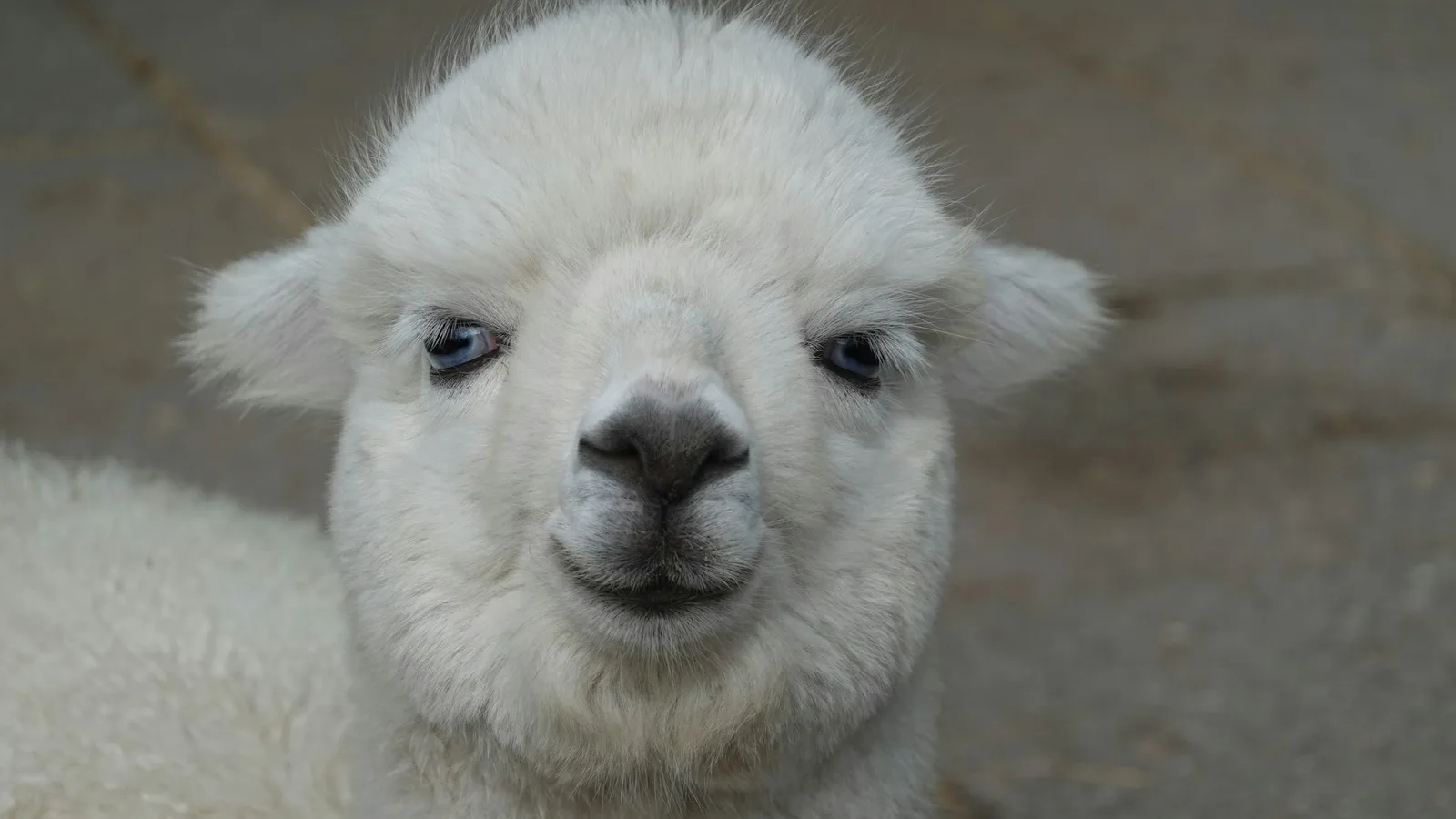
Are alpaca stuffed animals safe for babies?
Yes, alpaca stuffed animals are safe for babies when the toy is tested and labelled for children under 36 months, which means it may not contain or release small parts, also not after the pull and twist tests. In both the EU and the US, small parts are judged with a standard test cylinder about the size of a young child's throat, and toys for the youngest children are held to stricter rules.
A toy that is not meant for the youngest children but has small parts must carry a warning, such as "Not suitable for children under 36 months" in Europe, and in a web shop that warning has to be visible before the purchase. The US sets its own small parts warning for toys for ages three to six.
Tubi puts the age label on its alpacas itself, so every piece arrives labelled and ready for the shelf, with nothing for the shop to add.
Keep extras off a toy meant for a baby: a ribbon, a bell or a loose tag added in the shop is not part of the toy that was tested. For sleep, the CPSC advises a bare crib, with no stuffed toys in a baby's sleep space.
How do you clean an alpaca stuffed animal safely?
Clean an alpaca stuffed animal on the surface only: wipe the fur with a soft cloth dampened in lukewarm water, and for a mark add a drop of mild soap, then wipe again with clean water.
Let the toy dry in the air at room temperature, away from a heater or strong sun. Once dry, shake it and brush the fur softly so it stands up again.
Keep it out of the washing machine and the tumble dryer, and away from hot water: soaking and heat felt the fur. Print the care advice on the swing tag or a shelf card so it reaches the customer.
Between cleans, keep the toy dry and away from damp rooms. A soft brush every few weeks lifts out dust and keeps the fur loose, which also helps a child who is sensitive to dust.
What should a shop ask an alpaca toy supplier, and which papers should it keep?
A shop buying alpaca toys wholesale should ask the supplier for the laboratory test reports for its market, the EU Declaration of Conformity or the US certificate, and the shipping papers, in writing and before the first order.
- Full laboratory reports, not a summary, for every standard your market asks for, with product names and photos that match the toys you order.
- For Europe, a signed EU Declaration of Conformity under the Toy Safety Directive and a CE marked label, with UKCA for Great Britain.
- For the US, the CPSIA certificate and the ASTM F963 report, and a tracking label on each toy and its packaging.
- An age label on each toy, put on by the maker, so the shop does not have to label anything itself.
- A commercial invoice, a packing list and a certificate of origin, so your customs broker can match the goods to the papers.
In the EU, an importer puts its own name and contact address on the toy, its packaging or an accompanying document, and keeps the Declaration of Conformity for 10 years after the toy is placed on the market. Keep the test results you asked for in the same folder.
Tubi sends the declaration and the shipping papers with an order, and the test results can always be shown, and sent on request to confirm. Every document is named on our compliance page, and the customs steps are in our guides to import alpaca toys from Peru to the EU and to the US.
What should a shop tell customers about alpaca toy safety?
Tell customers that the alpaca stuffed animal has been tested to the toy safety standards of your market, EN 71 or ASTM F963, and passed, and show the age it is labelled for. That answers the question most parents ask first.
On allergies, say that alpaca fur is called hypoallergenic because it has no lanolin, and that it often suits people who find wool irritating.
Hand over the care advice with the toy, short and clear: a damp cloth, lukewarm water, air drying, a soft brush, and never the washing machine.
In a web shop, put the age warning and the standards the toy was tested to in the product text, where a buyer reads them before paying, together with a short care note.
Each Tubi alpaca is made by hand in Peru from alpaca fur. For sizes, prices and order terms, see the collection and the wholesale buyer's guide.
Questions
Can alpaca stuffed animals cause allergies?
Alpaca stuffed animals rarely cause the reactions people know from sheep's wool, because alpaca fur has no lanolin. A customer with a known allergy to animals can check with their doctor before buying.
Are alpaca stuffed animals safe for a newborn?
Yes, an alpaca stuffed animal is safe for a newborn when it is tested and labelled for children under 36 months, so no part can come loose and become a choking risk. Tubi puts the age label on each alpaca; follow it, and keep soft toys out of a baby's crib, as the CPSC advises.
Can you put an alpaca stuffed animal in the washing machine?
No, an alpaca stuffed animal should not go in the washing machine, because machine washing and hot water felt the fur. Wipe it with a damp cloth and lukewarm water and let it air dry.
Which certificates do alpaca stuffed animals need for Europe?
An alpaca stuffed animal sold in Europe needs the CE mark, backed by tests to the EN 71 standards and an EU Declaration of Conformity under the Toy Safety Directive. The chemical limits of REACH apply as well.
Which tests do alpaca stuffed animals need for the US?
An alpaca stuffed animal for children aged 12 and under needs an ASTM F963-23 test by a CPSC accepted laboratory and a CPSIA certificate. Tubi supplies both on request, and each toy and its packaging carry a tracking label.
Are coloured alpaca stuffed animals safe?
Yes, coloured alpaca stuffed animals are safe when the fur stays below the EN 71-3 limits for elements such as lead and cadmium. Every Tubi alpaca, natural or coloured, is tested under EN 71-3 and passes, and the results can be sent on request.
Are alpaca stuffed animals tested for flammability?
Yes, alpaca stuffed animals sold as toys are tested for flammability under EN 71-2, which measures how fast a flame spreads across the toy. Every Tubi alpaca takes that test, the mechanical tests and the test for metals, and passes.
What does an EU importer of alpaca toys have to do?
An EU importer of alpaca toys checks that the toy carries the CE mark and has been assessed, adds its own name and address, and keeps the Declaration of Conformity for 10 years. The declaration comes from the supplier, and the test results can be sent on request to confirm.
Keep reading
Sources
- European Commission: Toy safety (Directive 2009/48/EC and Regulation (EU) 2025/2509) read 22 October 2026
- EUR-Lex: Regulation (EU) 2025/2509 on the safety of toys read 22 October 2026
- Directive 2009/48/EC, Article 6: obligations of importers read 22 October 2026
- EU guidance: toys for children under 36 months read 22 October 2026
- CPSC: Toy safety business guidance (ASTM F963-23, certificates, tracking labels) read 22 October 2026
- CPSC: Labeling requirements overview read 22 October 2026
- CPSC: Safe sleep read 22 October 2026
- DermNet: Contact reactions to lanolin read 22 October 2026
Rules and duties change. Check the current rate for your country with your customs broker before you order.