An alpaca toy workshop in Peru
Tubi is a word from the workshop. Peruvian artisans who work with alpaca fur use it for the finest pelts: the ones that are perfectly soft and full. It is the craft's own word, not Quechua, and the standard we make every piece to.
Wilfredo Calsin Mamani
Founder, since 2015
Wilfredo founded the workshop in 2015 and started with large alpaca rugs. Today 10 artisans make toys, rugs and accessories in Juliaca and Lima.
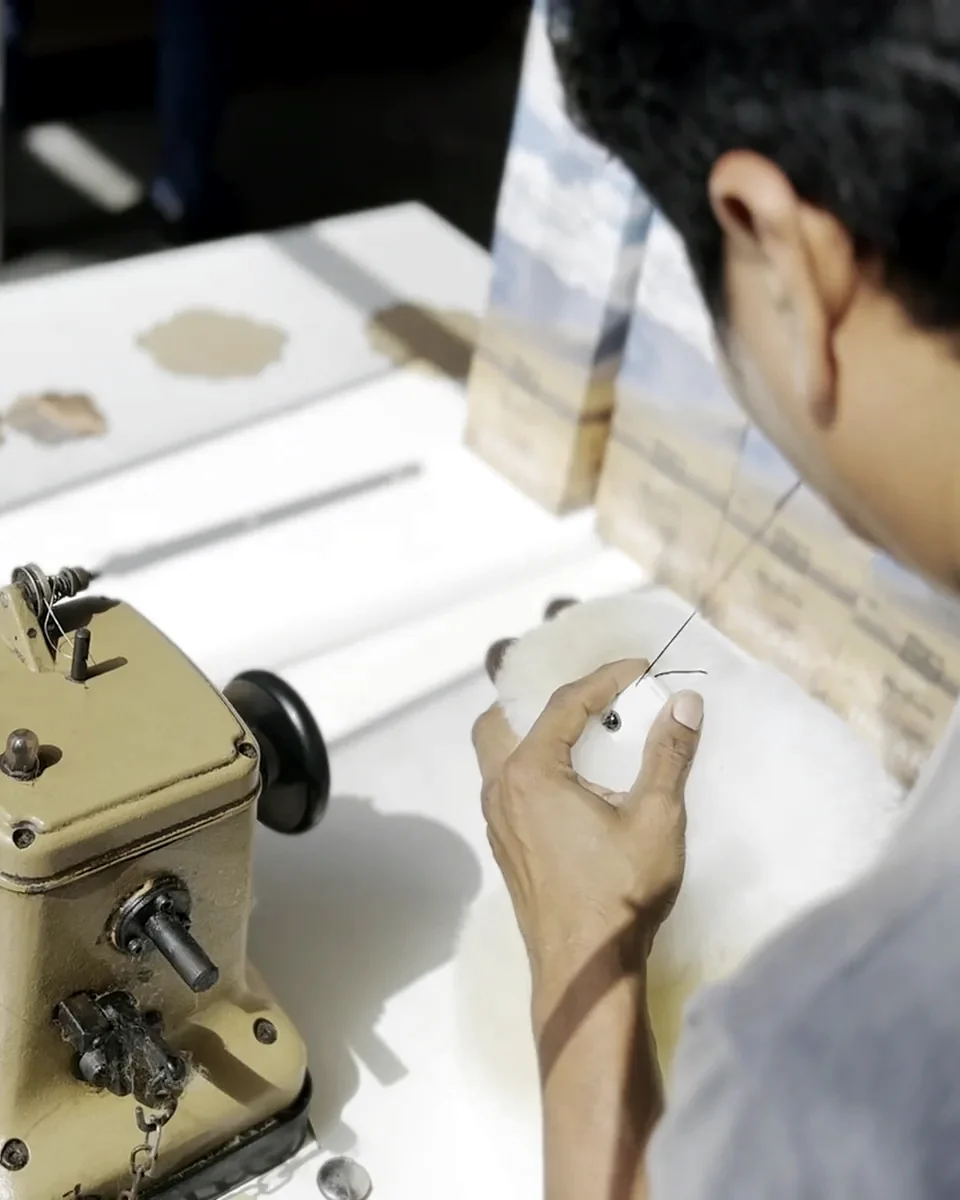
The people at the table
10 artisans in two workshops, with more than 20 years of experience with alpaca fur.
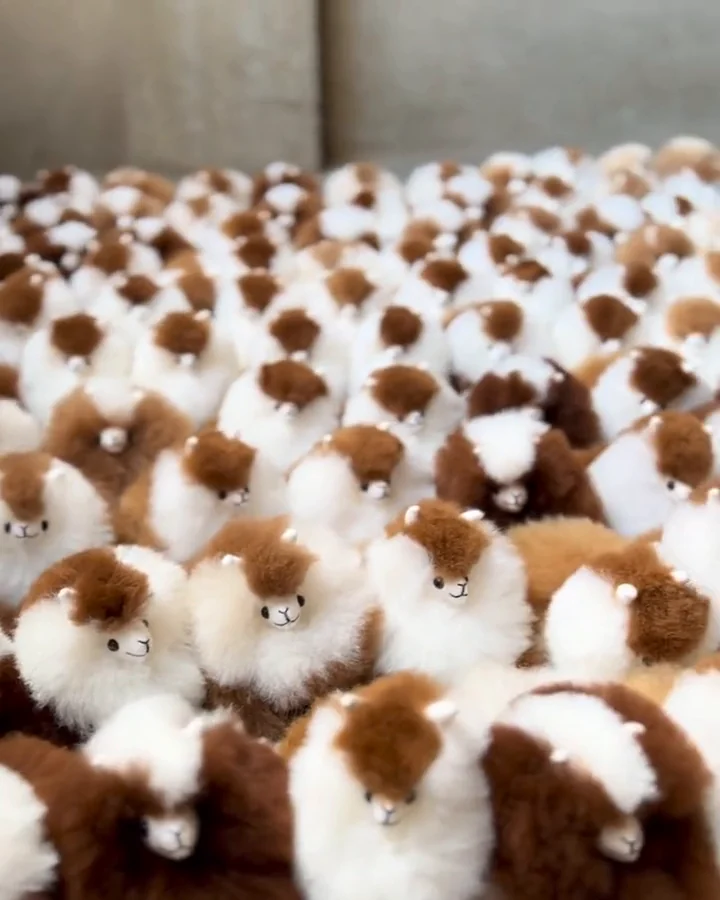
1,000 to 1,500 alpacas a month.
Each one sewn, brushed and finished by hand by 10 artisans, up to 4,000 in peak season.
Tubi in short
- Founded
- 2015, by Wilfredo Calsin Mamani
- Workshops
- Juliaca (Puno) and Cieneguilla (Lima), Peru
- Address
- Calle Los Poncianos, Cieneguilla, Lima, Peru
- Artisans
- 10, with more than 20 years of experience
- Capacity
- 1,000 to 1,500 alpacas a month, up to 4,000 in peak season
- Shipped to
- United States, Canada, United Kingdom, Netherlands, Germany, France, Italy and South Korea
- Safety
- Compliant for international markets, with the relevant safety tests
- Company number (RUC)
- 10104793466
- Contact
- contact@tubialpacas.com · +51 954 876 500
The story of the alpaca
From the highlands of Puno to a shelf in your shop.
-
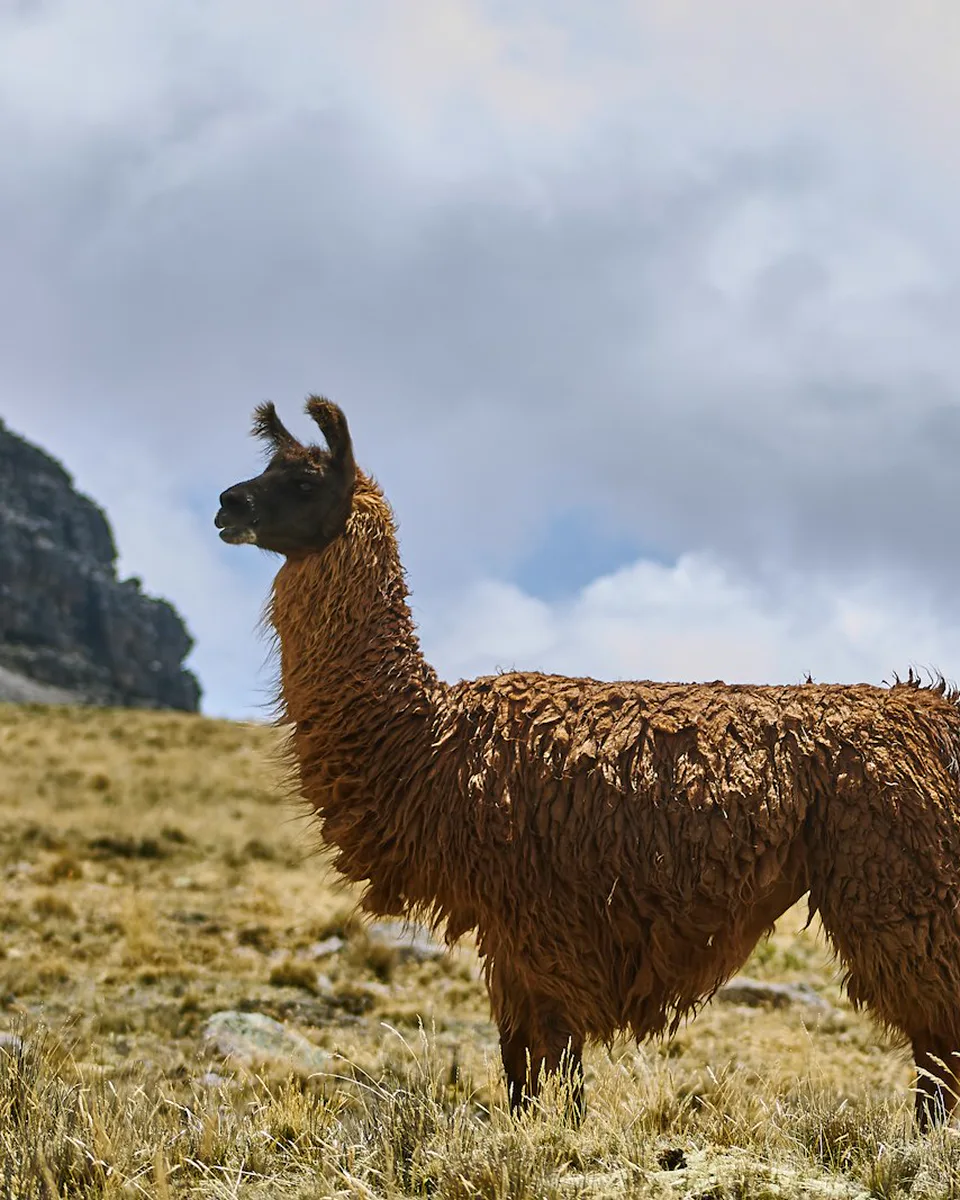
Where alpacas come from
Alpacas have lived in the Andes for thousands of years. Most of them live in Peru, many around Puno, close to our Juliaca workshop.
-
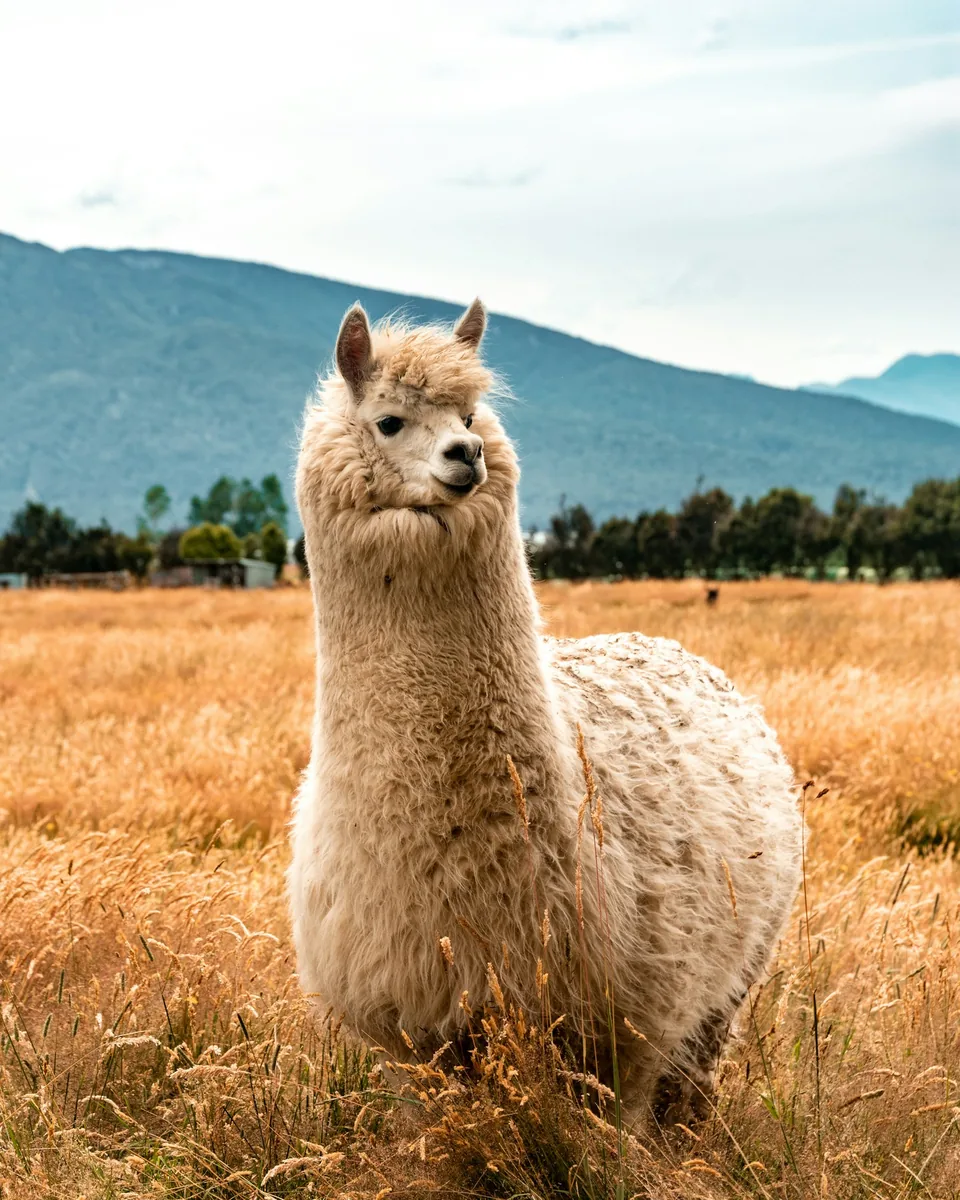
What makes the fur special
Softer than wool, light and warm, and without lanolin. That is why alpaca fur is hypoallergenic.
See the natural shades -
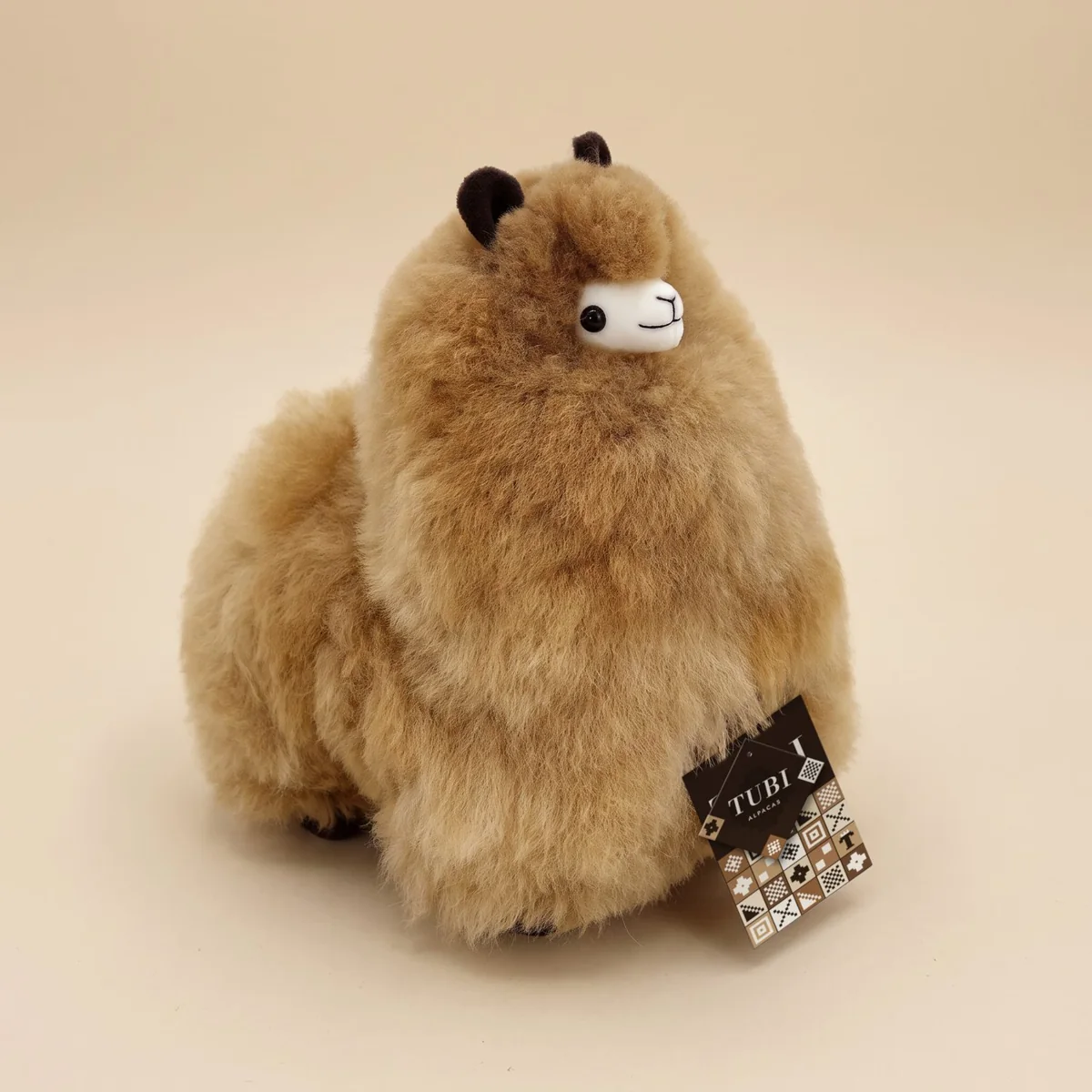
What makes Tubi different
The hides are bought season by season from breeders with large herds, and sorted by shade before a single piece is drawn.
See the Zebras -
Why the quality holds
Every alpaca passes the same hands in seven steps and a final check. What does not pass, does not ship.
See the collection
Questions about the workshop
Who makes the alpacas?
10 artisans in our workshops in Juliaca and Cieneguilla, Peru, with more than 20 years of experience with alpaca fur. Wilfredo Calsin Mamani founded the workshop in 2015.
Where are the workshops?
In Juliaca, in the Puno region of the Peruvian Andes, and in Cieneguilla, Lima, at Calle Los Poncianos. Both make alpaca stuffed animals by hand.
How much can the workshop make?
1,000 to 1,500 alpacas a month, up to 4,000 in peak season. 10 artisans work in Juliaca and Cieneguilla, so larger orders are planned with a fixed ready date when you place them.
Is alpaca fur hypoallergenic?
Alpaca fur has no lanolin, the wax in sheep's wool that many wool allergies react to. That is why alpaca fur is called hypoallergenic.
Can I reorder the same shade later?
Yes. Every hide is sorted by shade before work starts, so a reorder matches your first order. You can reorder any time, from the same 350 minimum.
Which papers and safety documents come with the order?
The commercial invoice, the packing list and the certificate of origin, in the workshop's own name. Compliant for international markets, with the relevant safety tests: tell us the countries you sell in, and the documents for those markets come with the order.
Do you ship to my country?
We ship door to door, or ex works when you have your own forwarder in Peru. So far we have shipped to United States, Canada, United Kingdom, Netherlands, Germany, France, Italy and South Korea. Is your country not on the list? Get in touch and we check it for you.